News & Trends





01
The "Invisible Navigators" of Minimally Invasive Interventions: A Guide to PTCA Guidewires, PTFE Guidewires, Hydrophilic Guidewires, and Zebra Guidewires
2026-03-09
In today's era of increasingly prevalent minimally invasive surgeries, slender guidewires have become critical "weapons" for physicians to reopen life-sustaining pathways. Often measuring only fractions of a millimeter in diameter, they must navigate tortuous blood vessels or lumens with precision. Terms like PTCA guidewire, Ptfe Guidewire, hydrophilic guidewire, and zebra guidewire might seem unfamiliar to many. This article aims to demystify these four types of medical guidewires, introducing their characteristics and applications, while showcasing the technical capabilities of domestic guidewires using the Tianck brand as an example.
PTCA Guidewire: The "Starting Player" in Coronary Intervention
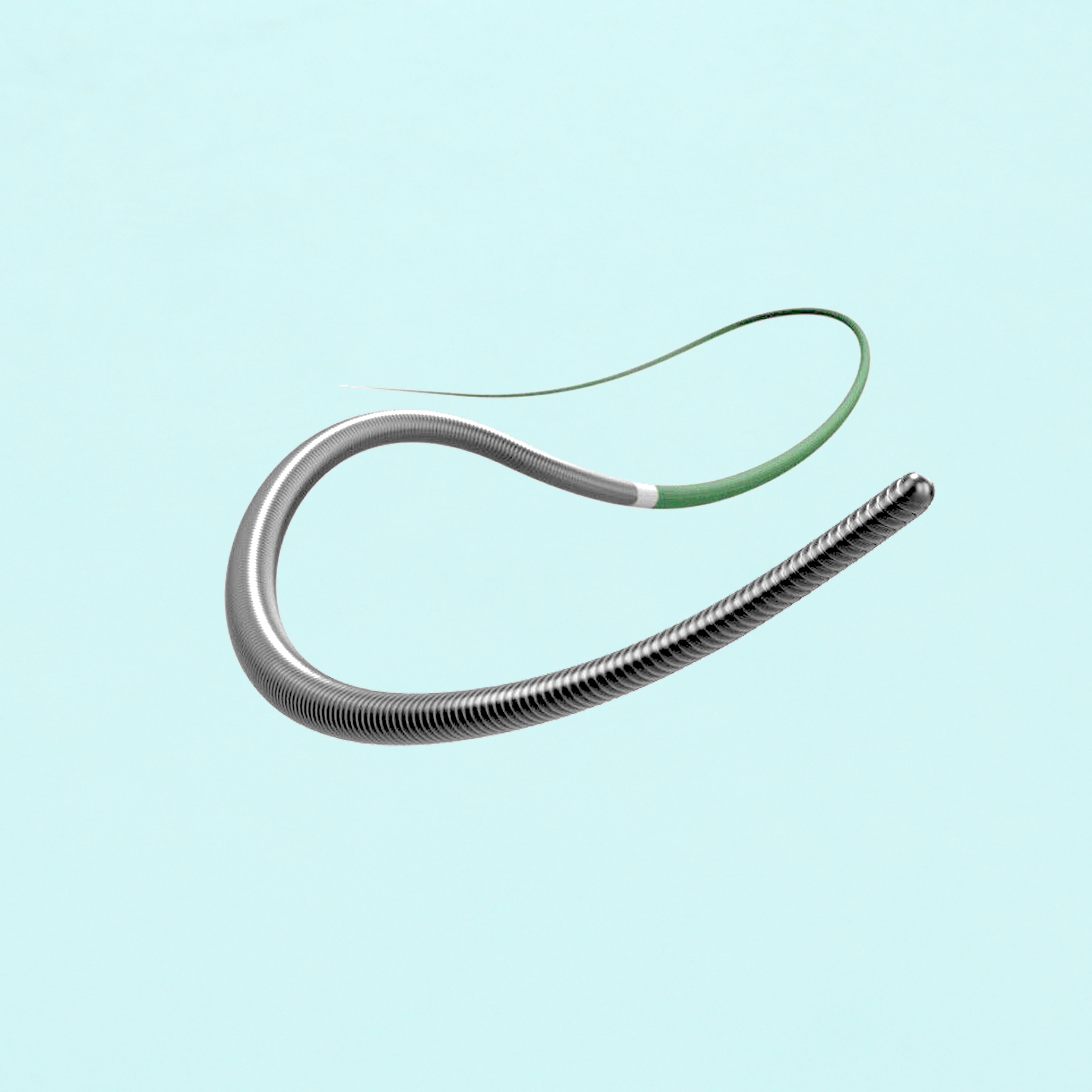
The PTCA guidewire, short for "Percutaneous Transluminal Coronary Angioplasty" guidewire, is an indispensable tool in coronary stent procedures. Acting like an "explorer" within the vessel, it must first be introduced via the radial or femoral artery, navigate through tortuous and narrowed vessels to reach the lesion site in the coronary artery, thereby establishing a "track" for subsequent balloon dilation and stent implantation.
The structure of a PTCA guidewire is highly precise, typically consisting of a core wire, a coil, and a safety wire. To ensure clear visualization under X-ray, the tip is often made of materials like platinum-nickel alloy. These guidewires require excellent flexibility to avoid damaging the vessel intima, while also possessing strong support to facilitate the advancement of subsequent devices. Tianck brand PTCA guidewires utilize high-quality stainless steel or nitinol core wires, combined with precision coil manufacturing techniques, ensuring a soft, atraumatic tip while providing excellent maneuverability to meet the high standards of coronary intervention.
PTFE Guidewire: The Lubricious and Wear-Resistant "Hydrophobic Guardian"
The defining characteristic of a PTFE guidewire is its surface coating of polytetrafluoroethylene (Teflon). This hydrophobic coating acts like a "non-stick" layer on the guidewire surface.
This coating provides two major advantages: extremely low coefficient of friction and excellent abrasion resistance. When the guidewire needs to pass through the mesh of a deployed stent or endure prolonged friction within a catheter, the PTFE coating effectively reduces resistance, preventing the guidewire from "sticking" or the coating from shedding during manipulation. Tianck brand PTFE-coated guidewires utilize advanced coating processes to ensure a uniform and durable coating, providing smooth passage while ensuring procedural safety. Combined with stainless steel or nitinol core wires, Tianck PTFE guidewires offer excellent support and durability to meet the complex demands of peripheral vascular and gastrointestinal interventions.
Hydrophilic Guidewire: The "Slippery Elf" Navigating Through Haze
In contrast to PTFE's hydrophobicity, the core technology of a hydrophilic guidewire lies in its ability to become extremely lubricious upon contact with water. When the guidewire contacts blood or saline, its hydrophilic coating absorbs water to form a gel-like film, reducing friction to an extremely low level.
This property is particularly crucial when navigating tortuous, spasming vessels, or through severely calcified lesions. Tianck hydrophilic guidewires feature high-performance hydrophilic coating technology, offering exceptional lubricity when wet, allowing them to easily traverse complex lesion areas. Constructed with nitinol or stainless steel core wires, they provide 1:1 torque transmission, ensuring that when the physician rotates the guidewire's proximal end, the tip responds precisely. This allows for accurate path selection, effectively preventing entry into side branches or vessel wall injury. Whether for biliary or pancreatic cannulation during ERCP or crossing lesions in peripheral vasculature, Tianck hydrophilic guidewires offer reliable guidance and support.
Zebra Guidewire: The Blue-and-White "Visual Guide"

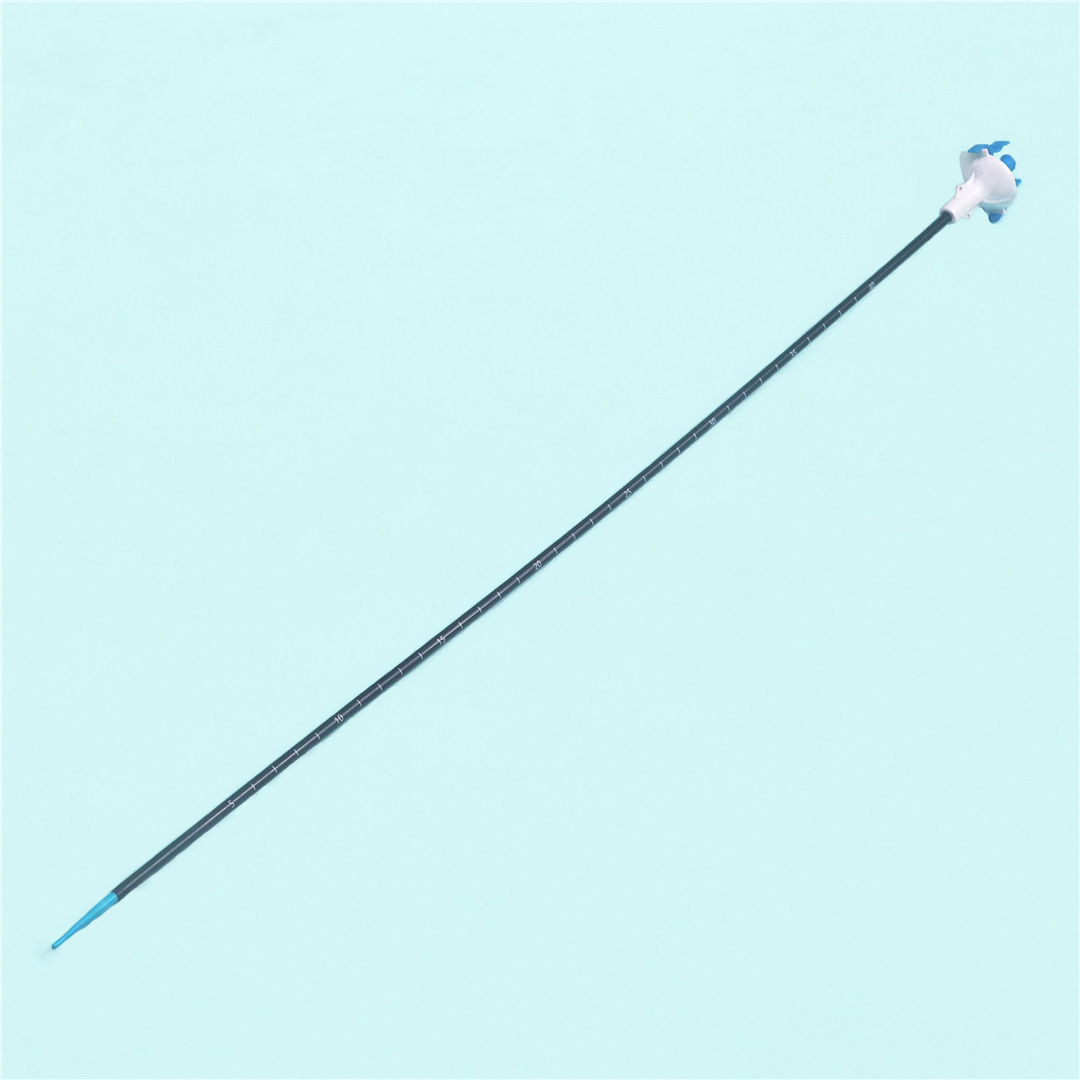
The name zebra guidewire doesn't refer to a special material but to its appearance, featuring distinctive alternating blue and white stripes reminiscent of a zebra's pattern. This high-visibility design allows physicians to clearly track the guidewire's movement during gastrointestinal endoscopic or urological procedures using either an endoscope or fluoroscopy.
Zebra guidewires have a wide range of applications. In gastroenterology, physicians can use a zebra guidewire to accurately place a jejunal feeding tube into the desired position, reducing procedure time and minimizing patient nasal discomfort compared to traditional methods. In urology, when facing difficult catheterization due to benign prostatic hyperplasia or urethral strictures, a zebra guidewire can be advanced through the lumen of the urinary catheter first to pave the way, significantly increasing the success rate of catheter placement and potentially avoiding the trauma of suprapubic bladder puncture. Tianck zebra guidewires feature a clear blue and white spiral stripe design, providing excellent visibility under both X-ray and endoscopy. The core wire offers moderate support, allowing smooth passage through strictures while maintaining good flexibility to minimize mucosal irritation. With its reliable quality and clear visibility, the Tianck zebra guidewire serves as a capable assistant for urologists and gastroenterologists.
Different Paths to the Same Goal: The Pursuit of Precision
With advancements in material science, modern guidewires are transcending the boundaries of single technologies. We now see many advanced guidewires employing a "hybrid" approach: using stainless steel or nitinol in the core for support and torque, applying a PTFE coating on the proximal section for smooth advancement, and incorporating hydrophilic coatings or soft spring tips on the distal end for safe lesion traversal.
From coronary to peripheral vessels, from the gastrointestinal to the urinary tract, these seemingly diminutive guidewires, each with their unique "skills," play an indispensable role as "pathfinders" on the stage of minimally invasive surgery. Tianck, as a representative of domestic Medical Guidewire manufacturers, is committed to technological innovation and product quality enhancement, continuously developing high-quality products that meet clinical needs. In the future, with continued technological breakthroughs by domestic manufacturers, medical guidewires represented by Tianck will advance towards greater precision, safety, and accessibility, bringing benefits to more patients.
Disclaimer: This article is for medical popularization, purposes only and does not constitute professional medical advice. Please always follow the diagnosis and treatment plans provided by your treating physician.